
Famous Boxing Upsets and What They Taught Us About Betting
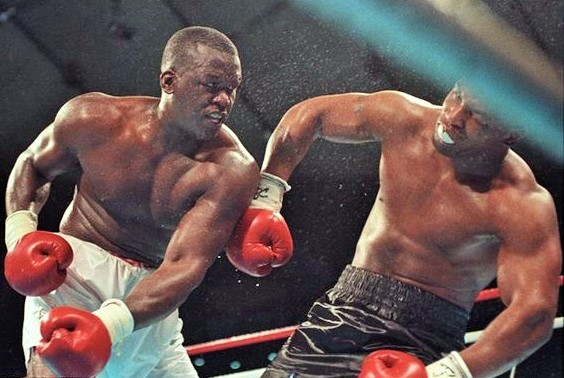
The most shocking upsets in boxing history aren’t just great stories; they’re masterclasses in how betting markets can get it spectacularly wrong. For UK boxing wagering enthusiasts, these legendary nights are more than folklore—they are critical case studies. They reveal the blind spots of bookmakers, the hidden value in underdogs, and the peril of following public sentiment. Here at the Ringside Boxing Show, we dissect current bookmaker boxing markets with these very lessons in mind, knowing that history’s greatest shocks hold the key to smarter boxing betting tips today.
Buster Douglas vs Mike Tyson: The Ultimate Betting Shock
On February 11, 1990, in Tokyo, the unthinkable became reality. James ‘Buster’ Douglas, a 42-1 underdog, didn’t just beat Mike Tyson; he dismantled the myth of invincibility. For punters in UK high street bookmakers like Ladbrokes and William Hill, those odds weren’t just long—they were considered free money. The market’s colossal error teaches a brutal lesson in complacency.
The Pre-Fight Odds Narrative
The narrative was singular and overpowering: Mike Tyson was an unstoppable force. Douglas was viewed as a “tune-up” opponent, a tall but soft-bodied fighter with a questionable heart. Bookmakers built their heavyweight title fight odds solely on Tyson’s ferocious knockouts and Douglas’s lone, albeit controversial, loss to Tony Tucker. They ignored Douglas’s profound personal motivation following his mother’s death and his near-perfect physical and tactical preparation. The market saw only Tyson’s past, not Douglas’s present.
The Fatal Flaw in Heavyweight Logic
The core mistake was a simplistic “fighter A beat fighter B” logic. Because Tyson had destroyed everyone, including fighters who had beaten Douglas, the conclusion seemed mathematical. This ignored the stylistic nuance Douglas presented—his sharp jab, underrated power, and crucial reach advantage. It also dismissed Tyson’s own fading discipline and lack of a dedicated game plan. The upset screamed that intangibles like focus, grief, and tactical genius can shatter even the most concrete of betting logics.
Andy Ruiz Jr. vs Anthony Joshua: A Modern Market Miscalculation
Nearly three decades later, history repeated itself in a different form. At Madison Square Garden in 2019, Anthony Joshua, Britain’s unified heavyweight king, was a staggering 1-25 favourite. Andy Ruiz Jr., a portly late replacement, was given no chance. When Joshua hit the canvas, so did the assumptions of every major bookmaker and betting pundit.
The Perils of the ‘Short-Notice’ Assumption
UK bookmakers priced the fight assuming Ruiz, taking the bout on six weeks’ notice, would be unfit and unprepared. This was a fatal miscalculation. Ruiz was not only in fighting shape but was also a lifelong student of the sport with lightning-fast hands and proven durability. The market overvalued the disruption to Joshua’s original opponent (Jarrell Miller) and undervalued the specific dangers a fresh, motivated, and skilled Ruiz posed. It was a lesson in judging the man in the ring, not the circumstances on the press release.
How Styles Make (and Break) Fights
Joshua was styled as the athletic, chiselled knockout artist against a slower, smaller foe. The odds failed to account for how Ruiz’s exceptional hand speed and combination punching inside would neutralise Joshua’s reach and power. Ruiz’s style was a nightmare matchup that Joshua and his team had not prepared for. This upset underlined a cardinal rule for boxing betting tips: always analyse stylistic clashes over physical attributes alone. A fighter’s “look” can be the most deceptive factor of all.
Lloyd Honeyghan vs Don Curry: When the Underdog Bites Back
Before Douglas and Ruiz, there was Lloyd Honeyghan’s stunning 1986 stoppage of the seemingly untouchable Don ‘The Cobra’ Curry. Curry, the undisputed welterweight champion, was undefeated and hailed as the world’s best pound-for-pound fighter. Honeyghan, Britain’s rugged challenger, was expected to be another notch on his belt. The Atlantic City upset taught a specific lesson about the bias inherent in international bookmaker boxing markets.
The Danger of Undefeated Records
Curry’s pristine record and dominant performances had created an aura of invincibility similar to Tyson’s. Oddsmakers conflated an undefeated record with an unbeatable fighter. They overlooked signs of Curry’s struggle to make weight and a potential lack of hunger after reaching the top. Honeyghan’s relentless pressure and vicious body attack exposed a champion who was perhaps already past his peak, proving that an ‘0’ in the loss column is often the most overpriced asset in boxing.
The ‘Home Fighter’ Bias in International Odds
Fighting in the champion’s home country, the US, the odds were skewed heavily in Curry’s favour. This is a common theme in UK boxing wagering—bookmakers and the public often overvalue the home advantage, especially for a star of Curry’s magnitude. Honeyghan’s victory was a masterclass in ignoring the location and focusing on the fighter’s mentality. His sheer ambition and will, factors impossible to quantify on a betting slip, ultimately decided the contest.
Muhammad Ali vs Sonny Liston: The Original Betting Shock
Long before the modern era, the 1964 clash between Cassius Clay (later Muhammad Ali) and Sonny Liston set the template for boxing upsets. Liston, the fearsome champion with a criminal aura, was a 7-1 favourite. Clay, the brash 22-year-old, was dismissed as a loudmouth who wouldn’t survive the early rounds. His victory revolutionized the sport and offered timeless betting insights, particularly on the weight of psychological factors.
The Overvaluation of Intimidation
Bookmakers priced Liston based on his knockout power and intimidating reputation, ignoring Clay’s exceptional speed, footwork, and tactical acumen. Clay’s pre-fight poetry and bravado were seen as weaknesses, but they were part of a deliberate psychological campaign that unsettled Liston. This teaches bettors that market odds often fail to capture mental warfare and a fighter’s ability to execute a game plan under pressure.
Recognizing a Paradigm Shift
The odds reflected a belief in the old guard’s supremacy, but Clay represented a new style—mobile, agile, and intelligent. Liston’s plodding, power-based approach was rendered obsolete. For today’s bettor, this underscores the need to spot stylistic evolution and generational changes, especially when an aging champion faces a hungry, innovative challenger.
Hasim Rahman vs Lennox Lewis: The Price of Complacency
In 2001, heavyweight champion Lennox Lewis traveled to South Africa as a 1-20 favourite against Hasim Rahman, a durable but unheralded contender. Lewis’s knockout loss in the fifth round stunned the world and exposed how complacency—both in a fighter’s camp and in betting markets—can create monumental value for astute punters.
Discounting One-Punch Power
Rahman was known for his solid chin and right-hand power, but bookmakers assumed Lewis’s technical superiority would negate it. They overlooked Lewis’s distracted preparation, including late arrival at high altitude and Hollywood ambitions. The market failed to price in the champion’s vulnerability, reminding us that a single punch can erase any skill gap, making underdog knockout lines sometimes worth serious consideration.
Environmental Factors in Odds Making
The fight was held in Brakpan, South Africa, at altitude. Lewis’s poor acclimatization was a critical factor, yet betting odds rarely account for such geographic and environmental nuances. Rahman, who trained properly, gained a physical edge. This upset highlights the importance of researching camp conditions, travel schedules, and location-specific advantages when evaluating heavyweight title fight odds.
Applying Upset Lessons to Your Boxing Bets Today
These historic upsets are not relics; they are a blueprint for smarter betting. By applying their lessons, you can cut through the noise of modern bookmaker boxing markets and find genuine value.
Red Flags for a Potential Upset
When analysing heavyweight title fight odds or any major bout, watch for these warning signs that a favourite is vulnerable:
- Over-reliance on Power: A favourite whose only path to victory is a knockout (like Tyson vs. Douglas) can be undone by a disciplined boxer.
- Late Opponent Changes: Don’t automatically side with the A-side fighter. Research the replacement’s style—it might be a dangerous trap (Ruiz vs. Joshua).
- Intangible Factors: Personal turmoil, overconfidence, or a lack of hunger in a long-reigning champion can be decisive (Curry vs. Honeyghan).
- Style Mismatch: A slick, fast-handed counter-puncher can ruin the day for a slower, power-based favourite.
- Environmental Distractions: Poor preparation, altitude, or travel issues can level the playing field (Lewis vs. Rahman).
Smart Betting Angles for Heavyweight Title Fight Odds
Instead of just betting on a winner, use the lessons of upsets to explore smarter markets:
- Look at the ‘To Win by KO’ Market: If a favourite is overwhelmingly expected to win by knockout, but you suspect the underdog is durable, consider the value in the fight to ‘Go the Distance’ at longer odds.
- Question the Narrative: Is the favourite’s reputation inflating the price? If so, the underdog’s ‘To Win’ line may hold tremendous value, as it did with Douglas and Ruiz.
- Use Bookmaker Offers Wisely: Many UK bookmakers offer enhanced odds or money-back specials on big favourites. These can be used to hedge or secure value on the anticipated outcome, while limiting liability if an upset occurs.
- Listen to Independent Analysis: Shows like the Ringside Boxing Show podcast delve deeper than mainstream narratives, offering crucial insights into fighter preparation, stylistic nuances, and camp conditions that can directly impact boxing betting tips.
It emphasizes that the smartest bettors use history’s shocks not for nostalgia, but as a permanent filter for questioning every line offered by the bookmaker boxing markets. In the volatile world of boxing, where one punch can change everything, the lessons of Douglas, Ruiz, Honeyghan, Ali, and Rahman remind us that true value often lies where the crowd isn’t looking.